Archdeacon Rachel Reflects on Intercession and the Making of Peace
Following news of a ceasefire between the US, Israel and Iran, Archdeacon Rachel shared a Thought for the Day on BBC Radio 4.
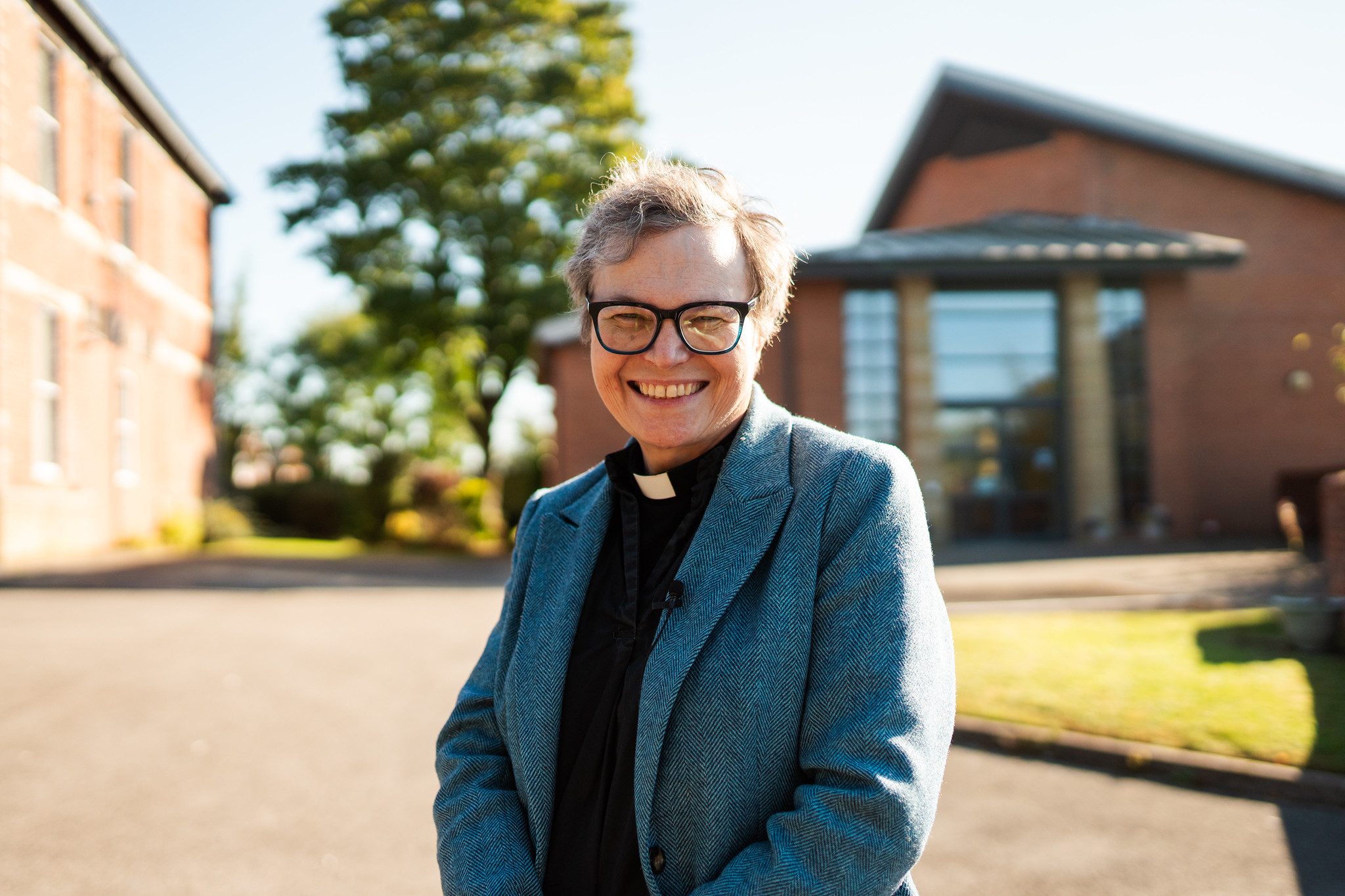
Following news of a ceasefire between the US, Israel and Iran, Archdeacon Rachel shared a Thought for the Day on BBC Radio 4, reflecting on the importance of intercession as a practice of prayer and a pathway to peace.
Good morning. After days of escalating rhetoric, my relief was palpable on hearing of the Pakistan-brokered ceasefire between the US, Israel and Iran. While it is likely to be several days before full details emerge of the roadmap ahead, the intercession of Pakistan into the conflict has been a timely reminder of the role of mediation in lowering political temperatures.
To refer to Pakistan’s role as one of intercession might surprise some people. It is a word strongly associated with prayer. A Christian intercessor stands in the gap between a person or a situation and God and pleads on their behalf. The prophet Moses famously pleaded to God on behalf of the Israelites for mercy and forgiveness after they turned their backs on God by creating a golden idol for themselves to worship.
Nonetheless, intercession also, historically, has a practical meaning. In its Latin root, to be an intercessor can mean to be ‘a go between’, one who ‘mediates’ between parties. In this regard, the pragmatic, political and economic work of Pakistan’s team can be read as an intercession.
At the same time, the Christian faith places the work of intercession – both as a form of prayer and as active peace making – on a higher plane. Today is the anniversary of the murder of the theologian Dietrich Bonhoeffer. He was executed by the Nazi Regime in Flossenburg Concentration Camp on this day in 1945 and wrote this about Christian community: it ‘lives … by the intercession of its members for one another, or it collapses. I can no longer condemn or hate a brother for whom I pray, no matter how much trouble he causes me.’ He means I think that the work of intercessory prayer changes those who undertake it. They can no longer treat those for whom they pray as mere villains or monsters. Intercession helps people see each other through fresh, perhaps divine eyes. From this a deeper peace might be achievable.
I think it would be absurd to treat the ceasefire brokered by Pakistan as something more than it is. Nevertheless, I hope, like intercessory prayer, it opens up a space for a deeper accommodation and respect between the warring parties beyond the distorting mirrors of cultural and religious stereotypes that sustain mistrust, and could ultimately lead to a path towards a more substantive peace. It is, for me, still a powerful intercession for the good. Dietrich Bonhoeffer also said this about the power of intercession: ‘a person’s face, that hitherto may have been strange and intolerable to me, is transformed in intercession into the countenance of a brother.’ Given his fate, these words haunt me, but nonetheless I think them worthy of trust.
Archdeacon Rachel Mann