Intercultural Church Planting in Salford
As a Senior Church Planter for the Antioch Network, Solomon John planted a thriving intercultural church in Salford and also established a Kannada‑speaking congregation.
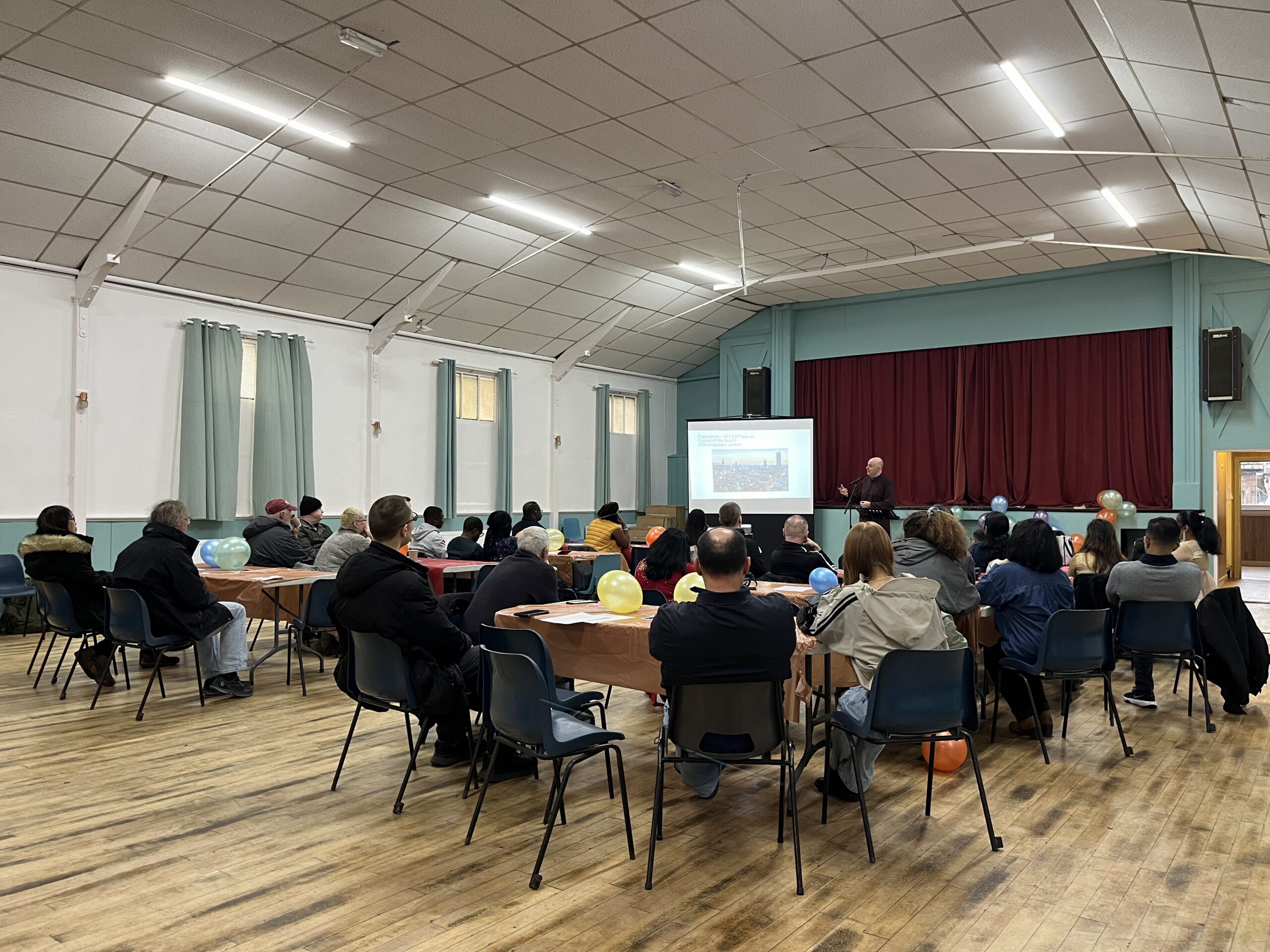
Solomon John has extensive experience of intercultural mission in Manchester Diocese. An ordinand in his final year of curacy training, he is currently on placement at Manchester Cathedral and previously worked as a Senior Church Planter for the Antioch Network. He planted a thriving intercultural church in Salford, which had eleven nationalities by the time he moved on to ordination training, and also established a Kannada‑speaking congregation from that church plant.
The intercultural church, Salford New Life Community Church, is situated amongst a diverse local community. “We wanted to plant a diverse church to reflect the community, reflecting Salford. When you think about interculturality, all the city centre churches have different cultures”, says Solomon. As a church planter, he felt called to gather people of all nations. “I am from South India and speak six languages, and our intercultural church plant had people from Iran, Poland, Nigeria, Eritrea, Cameroon and more. There were also four Kannada-speaking families, which is my first language, so I planted a Kannada church.”
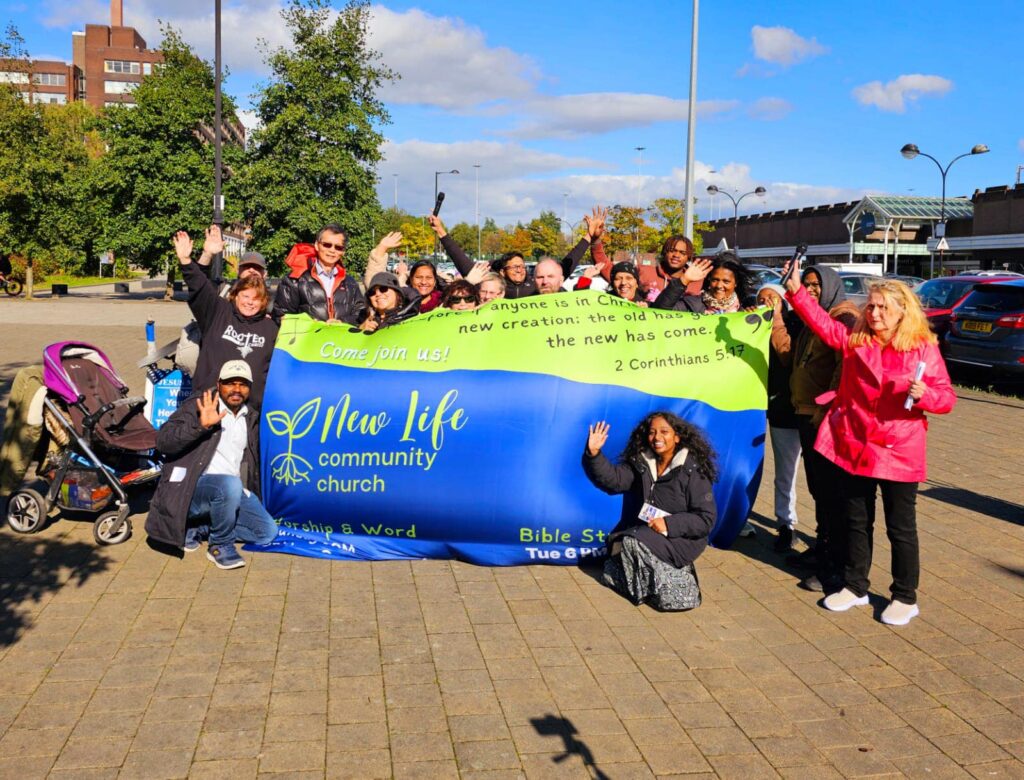
Named the Kannada Christian Fellowship, this congregation meets monthly at St Chad’s community hall in Ladybarn. Services consist of worship songs, psalms, sermons, and time for prayer. Personal testimonies and hospitality are also important aspects of this gathering, with everyone sharing their experiences and contributing by bringing food or covering the costs of a shared meal after the service. “That’s the way we do fellowship!” explains Solomon. This service is community-led, and the congregation plays a key role in running it. Volunteers help with organisation, serving refreshments, setting up the space, leading worship, and playing musical instruments.
These church plants are spaces where everyone is welcome. When people come to services, regardless of their cultural background, they are valued and respected. “Our mission statement says we are a diverse church and that we want all nations and people to come”, Solomon explains, “So when people arrive, we respect whatever background they come from.” Testimony enables people to learn from one another’s experiences and the places they come from, and each year, on the Intercultural Church’s anniversary, songs and hymns are sung in multiple languages. For Solomon, this is a way to “share the gift of interculturality and celebrate all cultures through worship.”
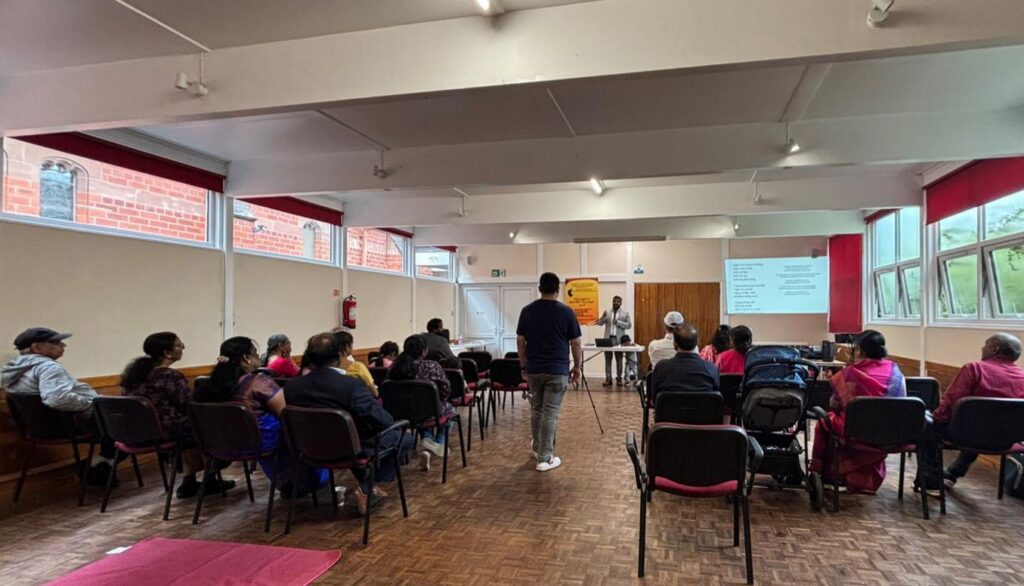
When it comes to communicating across different languages, technology is used to bridge gaps in understanding. “We use Google Translate, and we make sure that things are printed in people’s own languages”, Solomon says. “The sermon is always displayed on the screen so that everyone can follow along, and afterwards people break into smaller groups to discuss it in their own language.” These provisions have encouraged participation in services, helping people to feel confident in sharing their gifts.
Although Solomon no longer leads these church plants as he focuses on his curacy, he says one of his greatest joys has been seeing leaders stepping up to continue the ministry. “Someone is doing it even when I’m not there, and that brings real joy. Raising new leaders coming up is a joy, and I want to continue to grow this mission and for churches to embrace intercultural leaders.”
He encourages other churches to welcome people of all cultures, highlighting that urban settings in the UK are intercultural, not monocultural. “Twenty-five per cent of the diocese are immigrants, so there is amazing potential for intercultural ministry. All nations are here, and we need to keep our eyes open and think about the practical ways we can include them. There is space for everybody in God’s Kingdom, and it’s for all cultures.”