Bolton’s Last Direct Link to the First World War Falls After More Than a Century
A First World War regimental flag that hung in Bolton churches for more than a century has fallen after age finally took its toll.
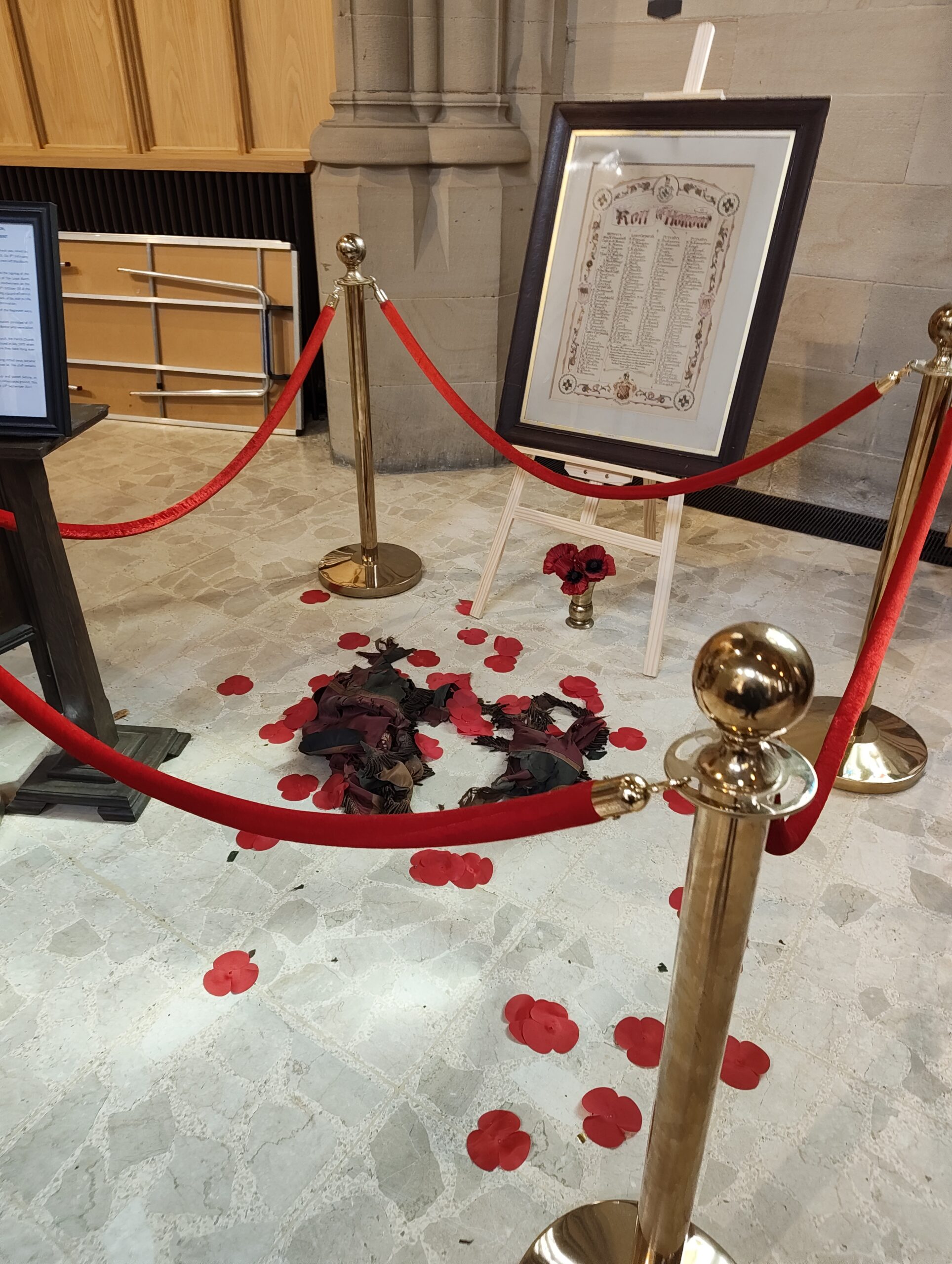
A First World War regimental flag that hung in Bolton churches for more than a century has fallen after age finally took its toll. The historic Colours of the 2nd V Battalion of The Loyal North Lancashire Regiment, believed to be one of Bolton’s last direct physical links to the Great War, became detached after more than 100 years on display at Bolton Parish Church. They will now be laid to rest in consecrated ground with full military honours.
The Colours, which accompanied the 2nd V Battalion throughout its service on the Western Front, recently became detached from their staff after the fabric finally succumbed to age and deterioration.
The 2nd V Battalion was raised in Little Bolton in September 1914 as a Territorial Battalion. On 8 February 1917, 37 officers and 983 non-commissioned officers and men left Blackburn for France, arriving in Flanders four days later.
Over the next 21 months the Battalion saw continuous frontline service, fighting in some of the First World War’s most significant battles, including Ypres and Passchendaele. Throughout these campaigns, the Colours were carried with the Regiment to the battlefront, serving as a powerful symbol of identity, loyalty and sacrifice.
When the Battalion returned home in 1919, its ranks had been reduced to 37 officers and 660 men. The names of those from the parish of Little Bolton who were killed in action are recorded on the Roll of Honour.
That same year, the Colours were laid up in St George’s Church, Little Bolton, where they remained until the church’s closure in July 1975. They were then transferred to Bolton Parish Church, where they have hung ever since.
Churchwarden of Bolton Parish Church, Canon John Walsh OBE said, “These Colours are more than just a flag. They were carried by soldiers through some of the fiercest fighting of the First World War and have stood as a visible reminder of their service and sacrifice for more than a century.”
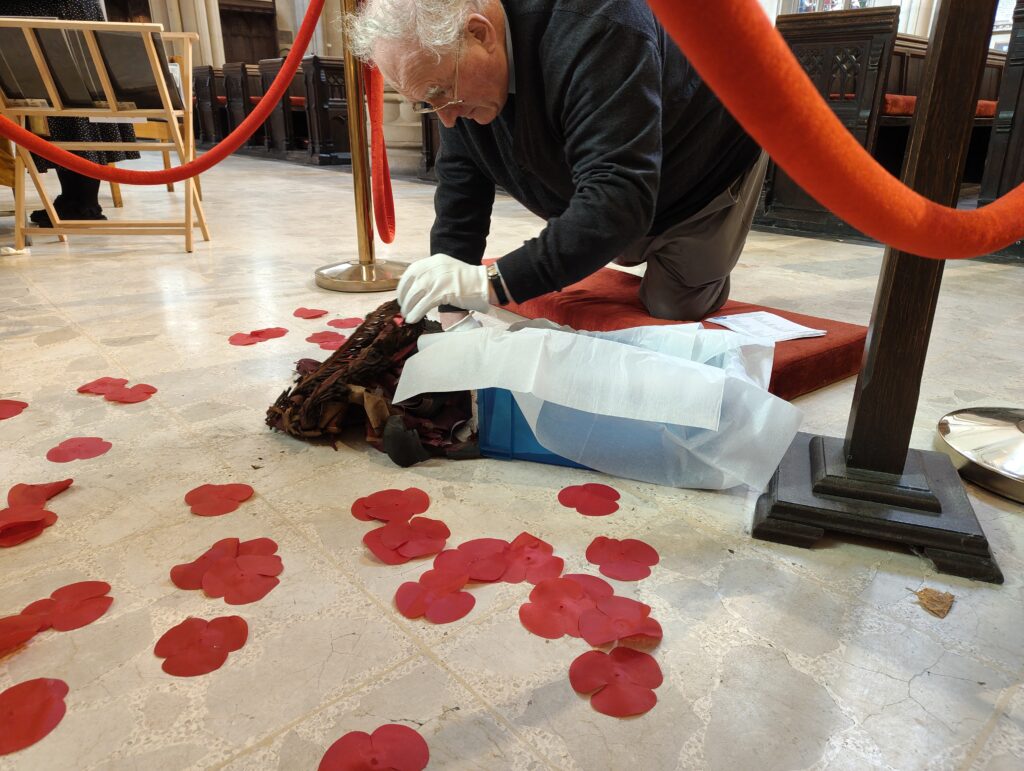
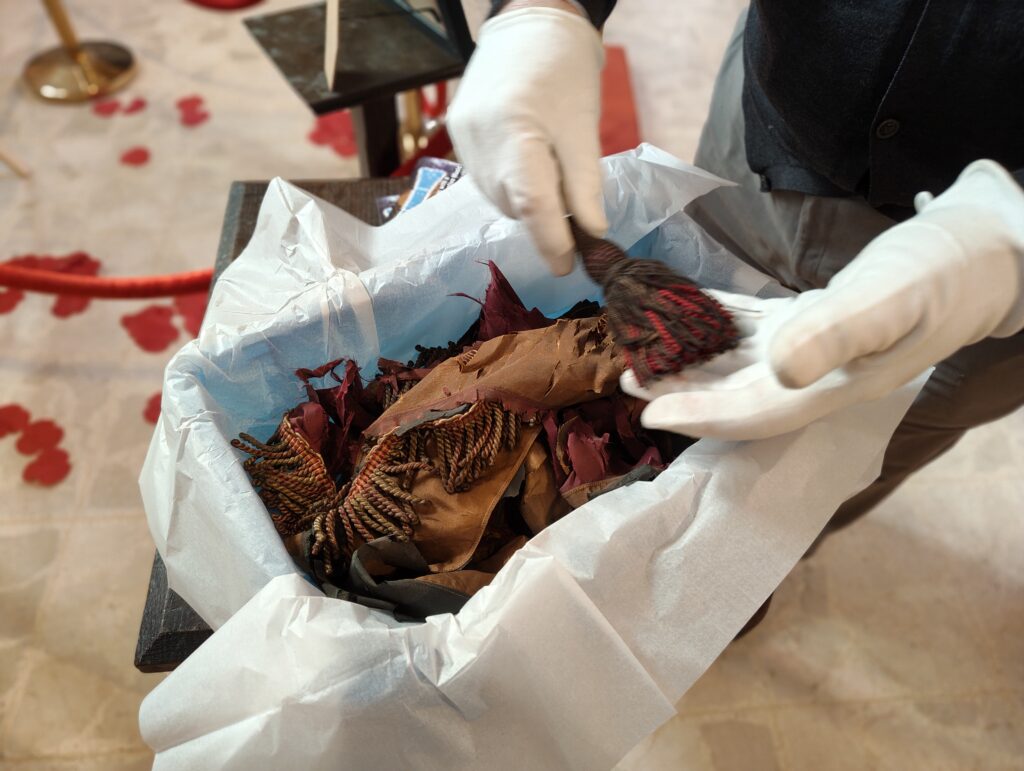
Following military tradition, the remains of the Colours have been carefully collected and preserved and will be buried in consecrated ground with full military honours. The ceremony is expected to take place on Quebec Day, 13 September 2027, the Regimental Day of The Loyal North Lancashire Regiment.
This marks the end of an extraordinary chapter in Bolton’s history, but the memory of those who served under them continues to endure. As the Colours are laid to rest, they stand as a reminder of the role churches have long played in preserving local heritage and honouring the courage, sacrifice and service of those who went before us.
Do you have a story of your parish’s heritage to share? We’d love to hear from you – contact the Communications Team at comms@manchester.anglican.org