Celebrating Neurodiversity at General Synod
Archdeacon Rachel Mann shares this Thought for the Day as General Synod prepares to recognise and celebrate neurodiverse people as a blessing to the Church.
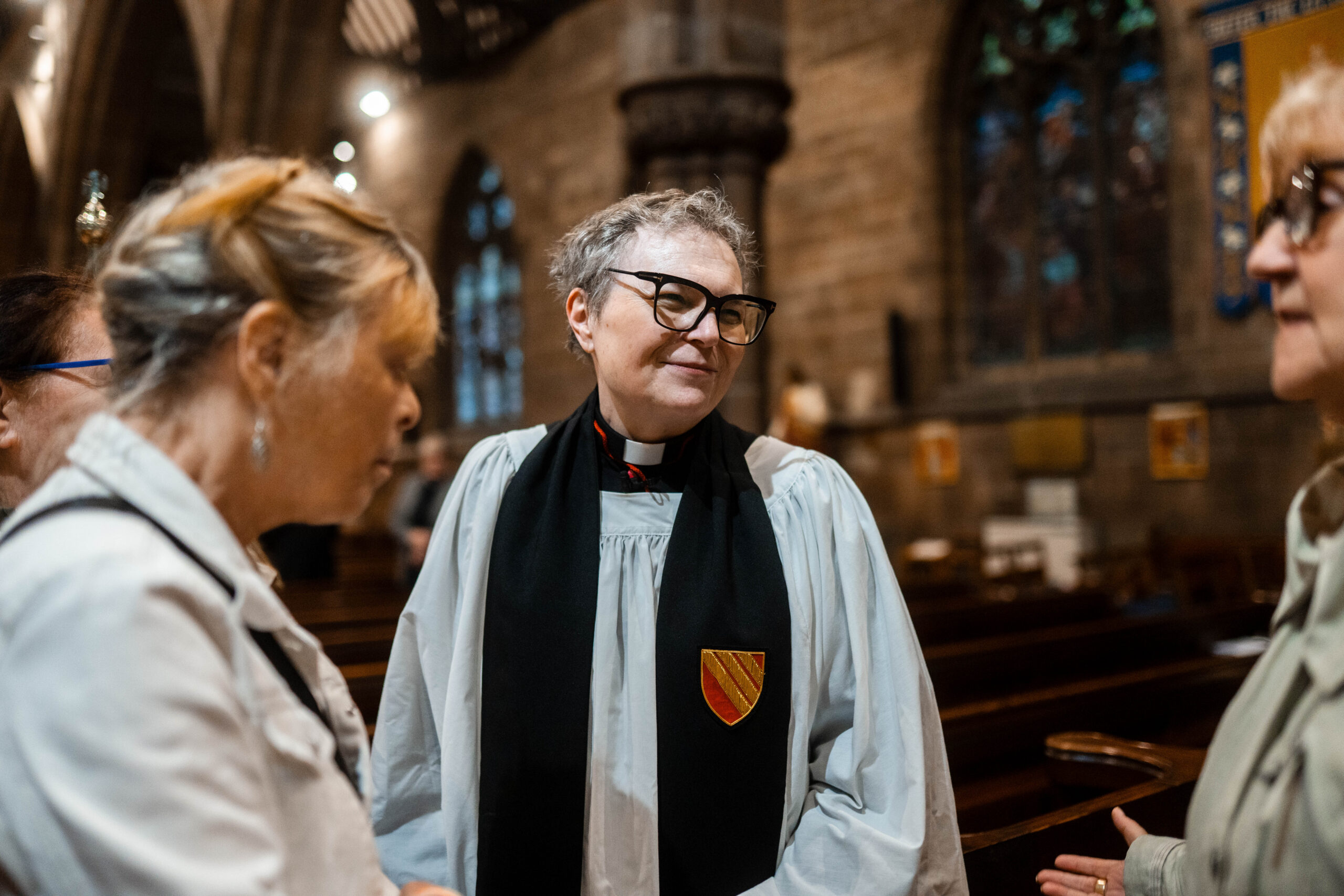
The Ven Dr Rachel Mann, Archdeacon of Salford and Bolton, shared this Thought for the Day on BBC Radio 4 this morning:
“Good morning. The phrase ‘General Synod’ is hardly one to quicken most people’s pulses. As a long-time member of the Church of England’s governing body, I know that aside from our noisy wrangling about sex or gender or how we’ve messed up safeguarding, the general public quietly ignores us. But for once, as we meet on Friday, one motion pops off the page at me: a call for Synod to recognise and celebrate neurodiverse people as a blessing to church and society and for the church to commit to removing barriers to their flourishing.
“I’m not the only one to have their interest piqued. Among others, no lesser personality than petrolhead-turned-farmer Jeremy Clarkson has weighed in. It is a hot-button topic, not least because of the uptick in recent diagnoses. However, for me, it’s personal. Last year I was diagnosed as autistic and it has raised questions about my own faith, identity, and flourishing.
“One idea that has helped me come to a better appreciation of my particular neurodivergence is ‘masking’, the idea that some autistic people, especially women, learn to mask their difference by pretending to be like neurotypical people, simply in order to fit in. Indeed, I have found masking to be a full-time and exhausting occupation.
“Intriguingly, the Latin for mask, Persona, is also the root of the English word ‘person’. Does that imply that to be a person is to wear a mask? Certainly, the psychotherapist Carl Jung said that everyone uses personas or masks to look more impressive, to win favour, or negotiate discomfort. But at the same time, he said that using personas is risky because your individual identity can be lost to the personas you play.
“My faith says something different. It suggests that to be human is to be a person simply because we bear the image and likeness of God and God himself is a person, three yet one. C.S. Lewis says that to believe in the Christian God, ‘is to believe that you as a person now stand … in the presence of God as person.’ The Christian vocation is simply to grow more like the person God is: loving, compassionate, forgiving and at peace with yourself.
“Lewis also says when we accept God’s personhood we no longer face ideas in which to believe, but are invited into a relationship with someone deserving of our trust. In embracing the rich generosity of this personal God, I’ve accepted my neurodivergence with growing confidence. I’ve let go of the exhausting masks I wear. The autistic writer Devon Price calls this acceptance ‘a radical act of self-love.’ When Synod debates the role of neurodiverse people in church and society I will place that love in how God celebrates the extraordinary diversity of human personhood.”