Giving People Permission to Lead: How Listening Is Helping Churches Grow
Over the past year, churches in Salford have been discovering the power of small changes.
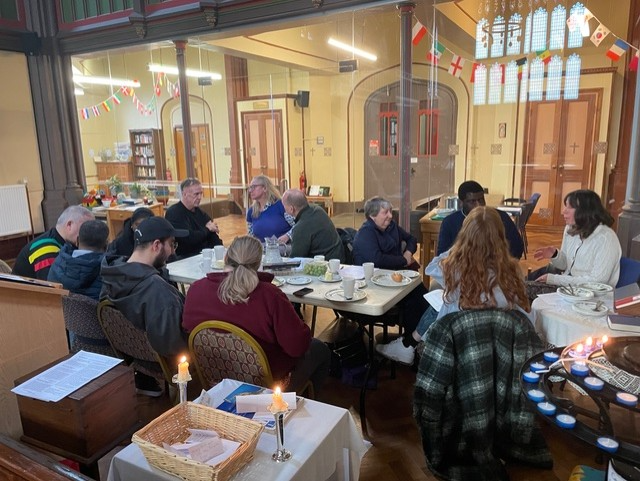
Over the past year, St Thomas in Pendleton and some of the churches in the benefice of All Saints Salford, have been discovering the power of small changes. By listening to their local community and encouraging people to explore their gifts and passions, the church is seeing new leaders emerge, fresh ideas take root and a growing sense of shared ownership in its mission.
What does that look like in practice? We spoke to Team Rector, Revd Peter Bennett to find out more and it seems that hope is found in quiet changes that are helping people grow in confidence and become more involved in the life of their local church.
It’s a story of listening.
A year ago, Team Rector Revd Peter Bennett invited a charity-run project Organising for Growth to work with the congregation, helping people share their ideas, explore their sense of calling and work together. The result has been many small changes that are helping create a more relational, welcoming and mission-focused church.
For Peter, one of the most encouraging developments has been seeing people recognise the gifts God has given them and find new confidence to put them into practice.
“We’re trying to create a culture where people know that God can place things on anyone’s heart,” he says. “The Holy Spirit is at work within us all and inspires everyone to use their gifts in a way that helps to grow our church and grow the Kingdom. My role has simply been to offer people the permission to put forward their ideas, find others who can help and trial new ways of doing things.”
A simple example can be found in the ministry of welcome.
Previously, a small group of people regularly staffed the welcome desk, handing out notices before services. While this worked well, it meant there was little opportunity to move away from the desk and spend time talking to newcomers or people who might need a little more support that week.
Then Anne, a member of the congregation, came forward with an idea.
Almost out of nowhere, she assembled a team of ten warm, pastoral volunteers and established a rota that ensures people are on hand beyond the welcome desk to greet visitors, notice those who may be new or in need of prayer, and spend time in conversation building meaningful relationships.
“It felt slightly risky because it was a different way of doing things,” Peter reflects. “But we agreed to try it. We gave people space to have a go and see what happened.”
The change may appear small, but it demonstrates something much bigger. People are growing in confidence, taking ownership and discovering that they can exercise leadership through everyday acts of hospitality.
That same spirit is being seen across parish life.
One small group of volunteers has established a monthly contemplative evening service. Another group is planning a film-based Bible study designed to create space for people who might not be drawn to a traditional Bible study. Others have been gathering around shared interests such as prayer, churchyard improvements and community engagement.
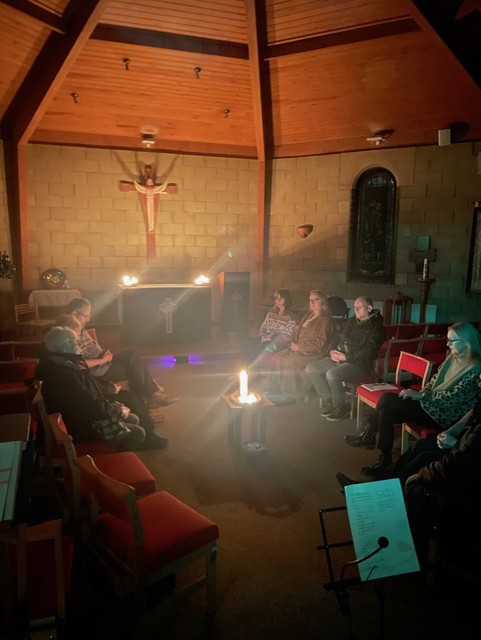
The churchyard project has brought together people with interests in local history, caring for God’s creation, improving the welcome offered by the church grounds and deepening opportunities for prayer. By sharing ideas and listening to one another, these different passions are beginning to shape a shared vision for how the space can serve both the church and the wider community.
According to Peter, much of this has happened because people have been encouraged to listen to one another and to the needs of the community.
Organising for Growth has provided training, coaching and practical support to help people develop the skills of active listening, relationship-building and shared leadership. The aim is not to launch activities for people or arrive with a prescribed set of solutions, but to discover what God is already stirring within them.
“Sometimes people have been faithfully doing things out of duty for years,” Peter says. “When you really listen, you begin to notice where the excitement is. You start to see the gifts and passions that God has already given people.”
That approach has also encouraged people to explore new forms of ministry and leadership. Members of the congregation have begun Reader and ordination training, while others have stepped forward to lead new initiatives, organise teams and create opportunities for fellowship, prayer and mission – signs of people responding to God’s call with growing confidence.
This approach is also shaping how the church engages with the wider community.
Members of clergy, together with people from the congregation and colleagues from CTC and the Encounter Team have been spending time outside a local primary school, offering cakes, drinks, and conversation. Rather than arriving with a ready-made solution, they simply want to ask questions: What do you love about this community? What might we do together in and around our church?
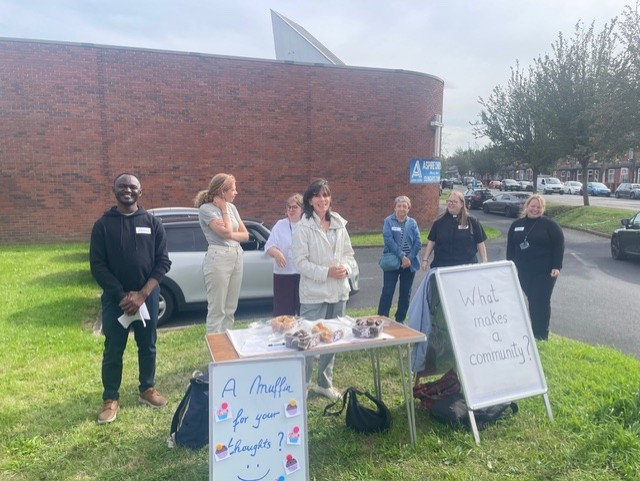
Peter has also found great encouragement in the support offered by staff in the Encounter Team. Working alongside parishes to strengthen ministry with children, young people and families, the team has taken a partnership approach that values local knowledge, relationships and vision. Peter has particularly appreciated the way they have come alongside the parish to explore opportunities together, offering expertise and support while helping local leaders shape initiatives that fit their context. The result has been a genuine sense of shared purpose and teamwork between the Encounter Team and the parish.
Peter believes this kind of presence matters.
“We want to be visible, open and part of the community. We want to bless the community and naturally express our faith through relationships.”
Listening has already produced unexpected opportunities. One conversation with a local resident at the school led to discussions about volunteering and future community involvement.
More recently, a member of the congregation suggested taking worship and prayer out onto the local precinct alongside opportunities to listen to local residents. For Peter, it is another example of the confidence that is growing among lay leaders and a sign of a church increasingly willing to step beyond its walls.
“It’s about giving people a chance to share their ideas and seeing what connects. When we listen well, we often discover people who care deeply about their community and want to make a difference. Sometimes they’re closer to the life of the church than we might think.”
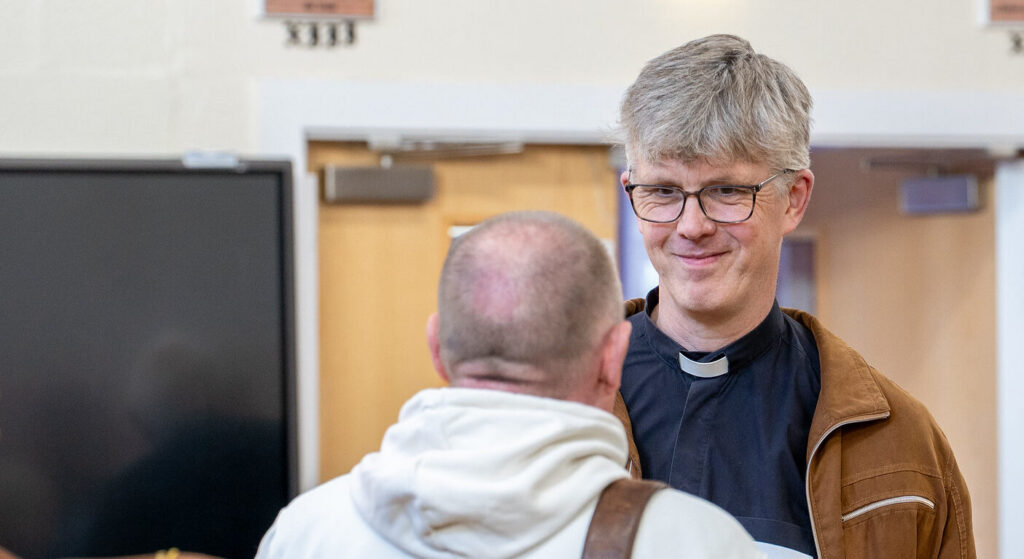
Looking ahead, Peter hopes to see more people growing in confidence, deepening their faith and stepping into leadership.
His vision is not centred on launching lots of new programmes. Instead, it is about becoming a church where people care for one another, listen to one another and work together to build God’s Kingdom. This vision rests on a belief that God is active in our parishes, calling us to listen to and work with the community, as well as with those within our church walls.
“We’re trying to create a genuinely relational community,” he says. “A place where people expect to care for one another, where ideas can be explored, and where leadership isn’t dependent on one person. If someone comes to me with an idea, my first question is often: who else shares that passion? When people discover others who feel called in the same direction, exciting things can happen.”
It is a vision grounded in simple acts of welcome, conversation and encouragement. Yet at St Thomas’, those small steps are already helping people discover gifts they never realised they had, strengthening the church’s connection with its community and opening new possibilities for the future.